AAshraful AidUbuntu Ukhuwa Microfinance
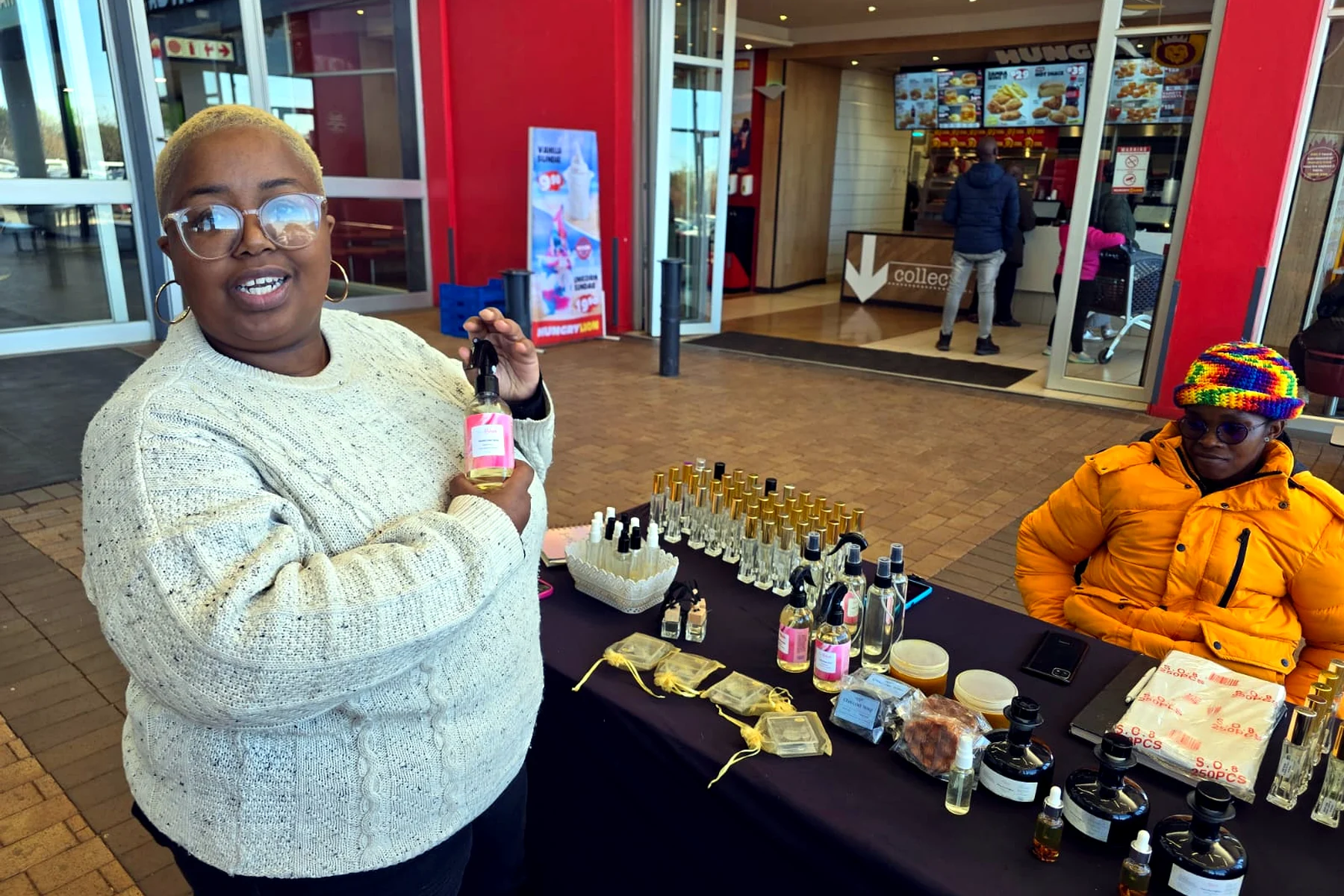
Ubuntu Ukhuwa beneficiary presenting products at a market stall

Report to funders | Prepared for Al Baraka Bank | 09 July 2026

Microfinance with purpose.

A three-year portfolio review of the Ashraful Aid Ubuntu Ukhuwa Microfinance Programme: interest-free capital placed carefully to build dignity, self-sustainability and community resilience.
Aug 2023 - Jul 2026National Credit Regulator registeredQard-e-Hasan lending
134Loans disbursedSmall-business owners funded
R2.38mCapital deployedAug 2023 - Jul 2026
R17.6kAverage loanRight-sized micro-enterprise capital
R985kRepaid and recycled42% returned to the lending pool

01 | Executive summary

Capital that keeps working.

The programme has extended 134 micro-loans to small-business owners, deploying approximately R2.38 million in working capital across nine regions and nine sectors.

Lending grew from R300k in the pilot year to R1.17m in 2025, while repayments returned R985k to the pool for redeployment into new livelihoods.

02 | Programme model

Built for dignity, discipline and reuse.

Ubuntu Ukhuwa adapts the Akhuwat interest-free microfinance model for the South African context, combining Shariah-aligned lending with local community accountability.

Qard-e-Hasan

Interest-free benevolent loans, repayable without hidden charges or profit-taking.

Ubuntu + Ukhuwa

A South African expression of shared humanity, brotherhood and borrower dignity.

Revolving capital

Repayments fund the next entrepreneur, so each rand can work across multiple cycles.

Regulated practice

The programme was further formalised through National Credit Regulator registration.

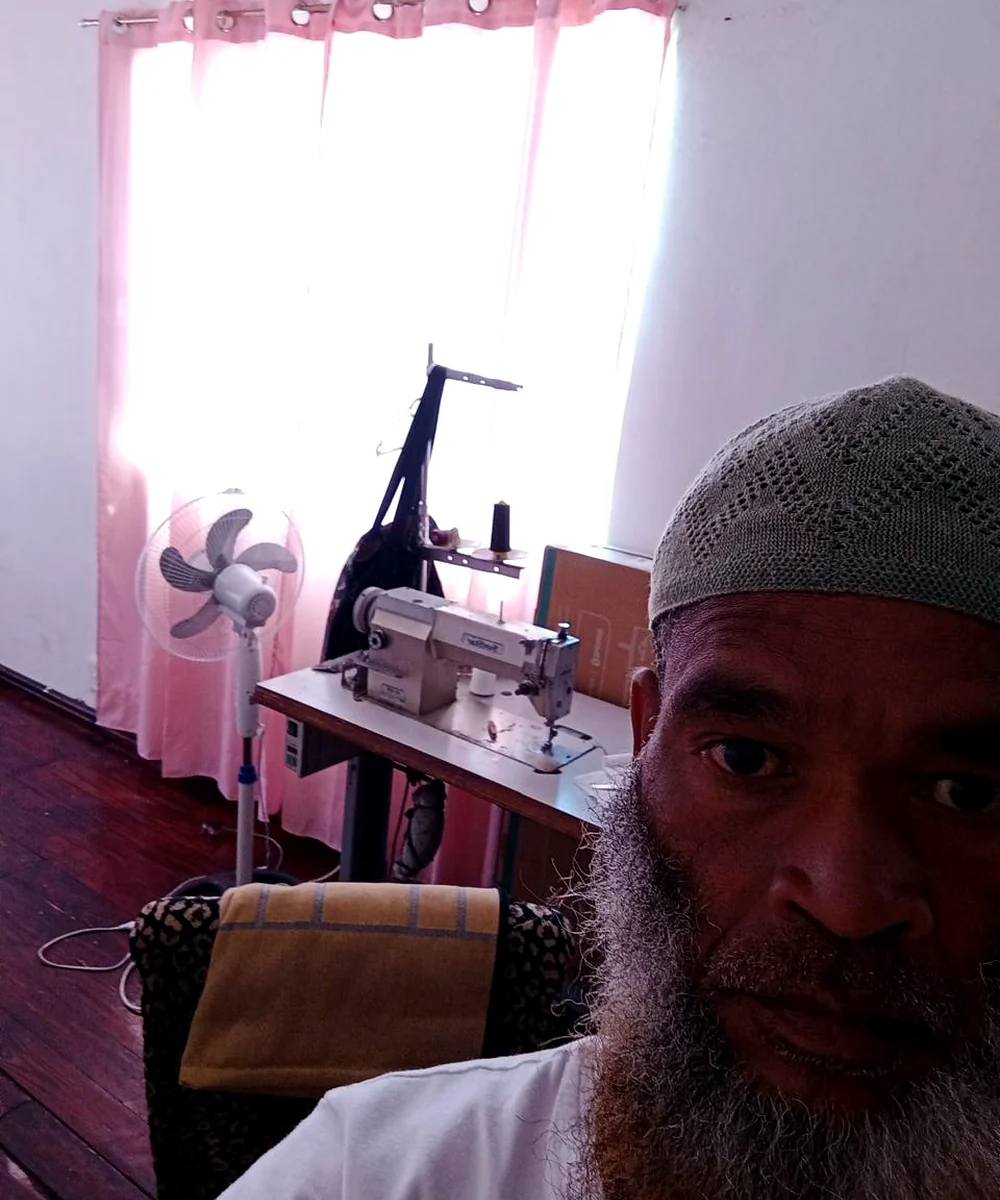
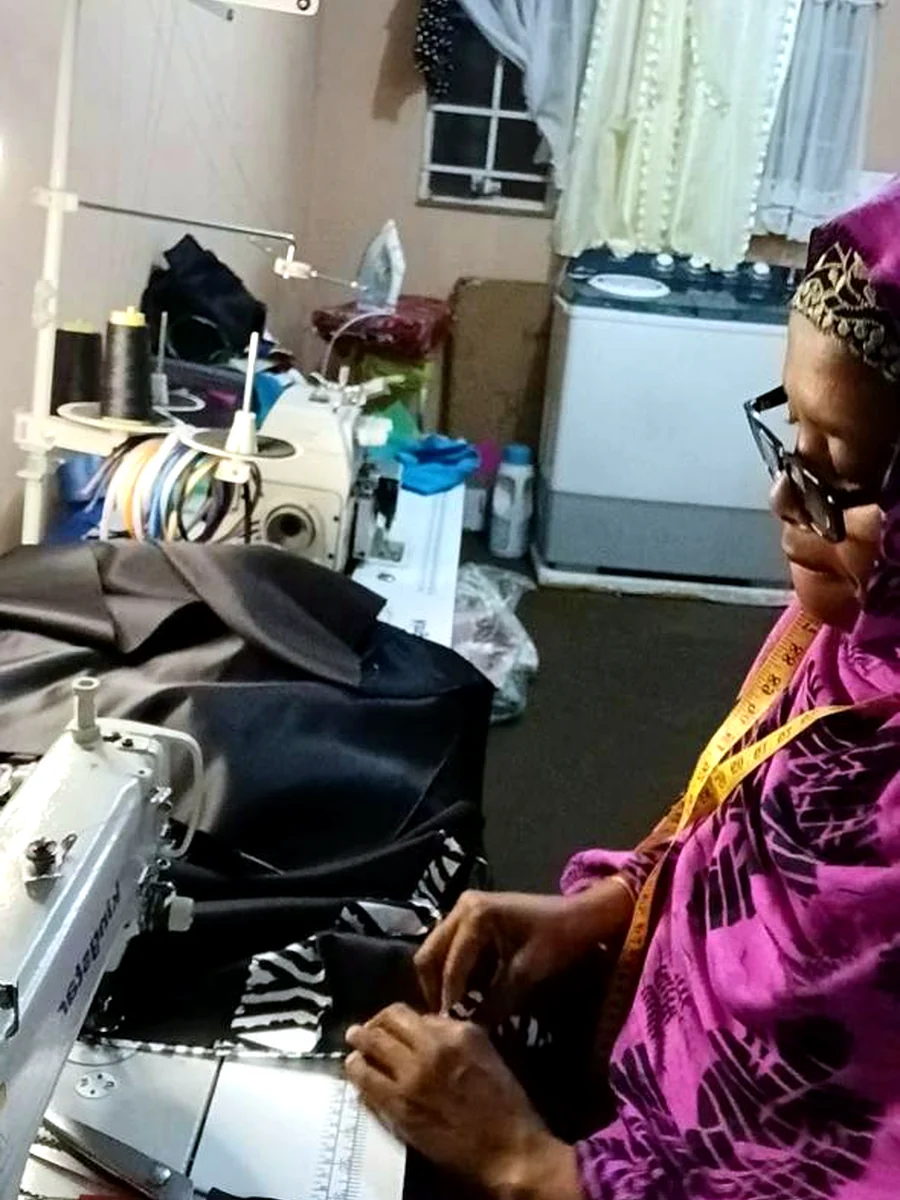
Sewing equipment inside a small enterprise workspaceEntrepreneur sewing at a machine

03 | Field reality

A loan preserves agency in a way a handout cannot.

Borrowers are treated as business owners, not aid recipients. The relationship continues after disbursement through repayment tracking, reminders, restructuring conversations and recovery pathways where needed.

Primary sectors
Manufacture, sewing, spaza, food, retail, transport, services, farming and beauty.
Portfolio principle
Small tickets, clear records, zero interest, and recycled funder capital.

04 | Portfolio health

A living portfolio, actively managed.

54% of the book is performing or not yet due. The 31% in-progress book is an active stewardship pipeline, and the 16% legal book is transparently managed through formal channels.

54%performing or not due

Fully repaid, on-schedule and not-yet-due loans form the programme's recycling base. Active engagement focuses on moving in-progress borrowers back to good standing.

Complete29 borrowers
22%
Good33 borrowers
25%
Not due10 borrowers
7%
In progress41 borrowers
31%
Legal21 borrowers
16%

05 | Annual disbursement

A 4x expansion in three years.

R300k
202313% of total
R441k
202419% of total
R1.17m
202549% of total
R465k
202620% of total

"Every rand placed is a household kept in dignity, and a business that outlives the loan."

Programme philosophy

06 | Reach and diversification

Nine regions. Nine sectors. One revolving pool.

Gauteng
7153%
KwaZulu-Natal
2519%
Cape Town
1914%
Mpumalanga
65%
Limpopo
54%
NW + EC + PE
65%
Small manufacture and supplyClothing and sewingSpaza and fast foodHome industryOther retailUber / transportProfessional servicesFarmingHair and beauty

07 | Evidence from the ground

Small capital, visible livelihoods.

These field images show the portfolio's practical texture: stock, equipment, trade, mobility and customer-facing micro-enterprises.

Clothing and sewing

Clothing and sewing

Capital turns tools, fabric and skill into a household income stream.
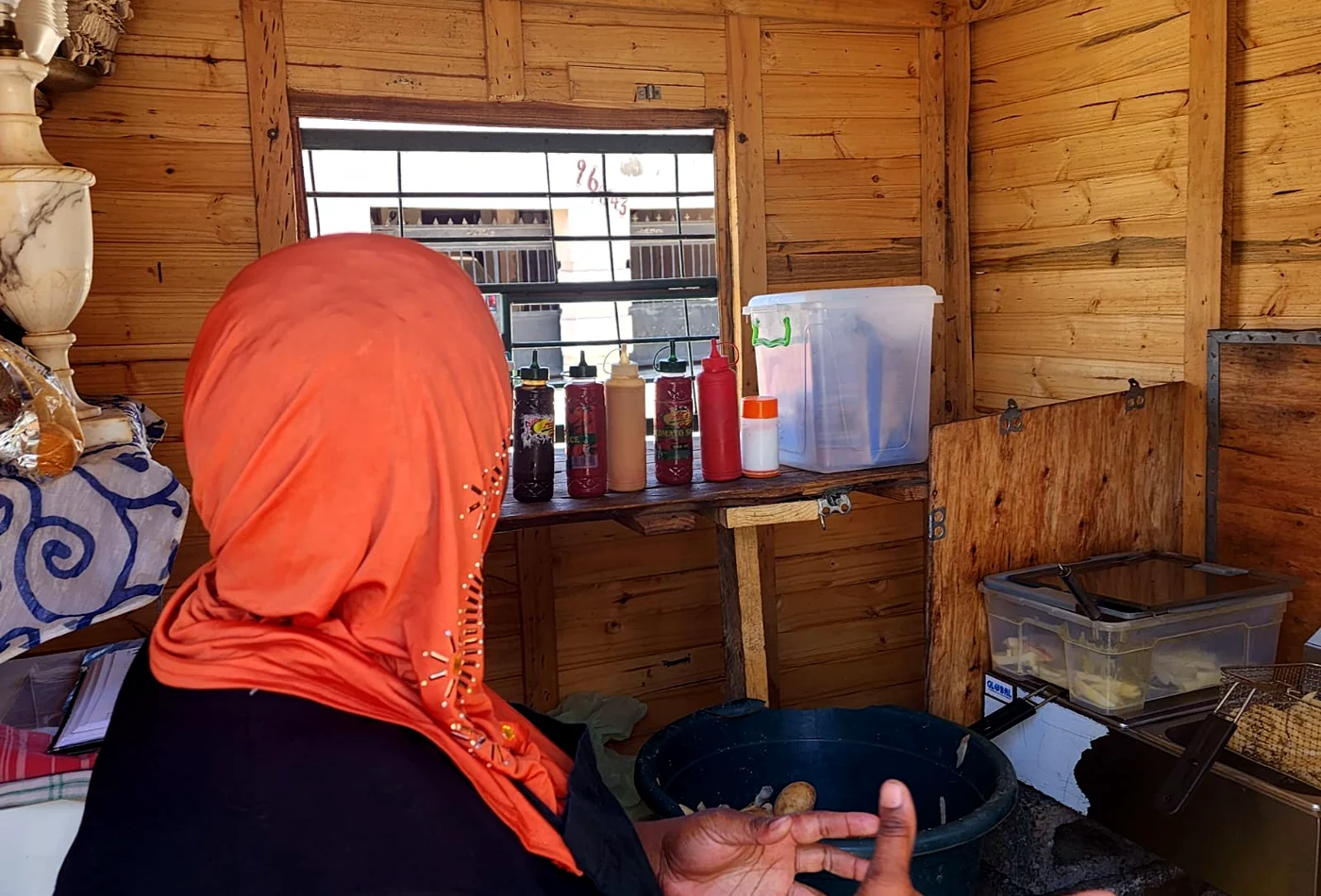
Food enterprise

Food enterprise

Home industry and micro-retail businesses serve local neighbourhood demand.
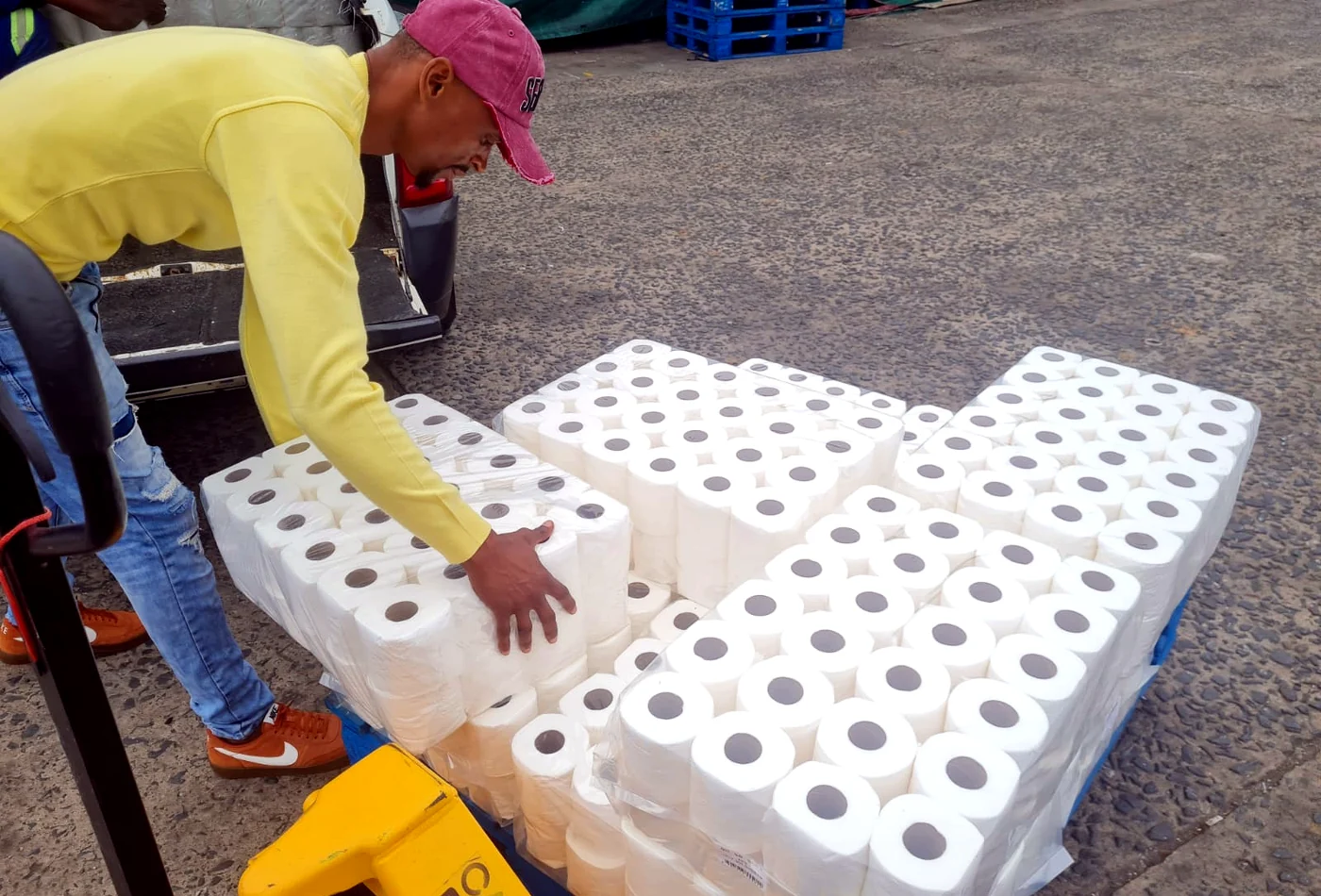
Stock and supply

Stock and supply

Working capital helps traders buy stock in useful quantities and keep trading.
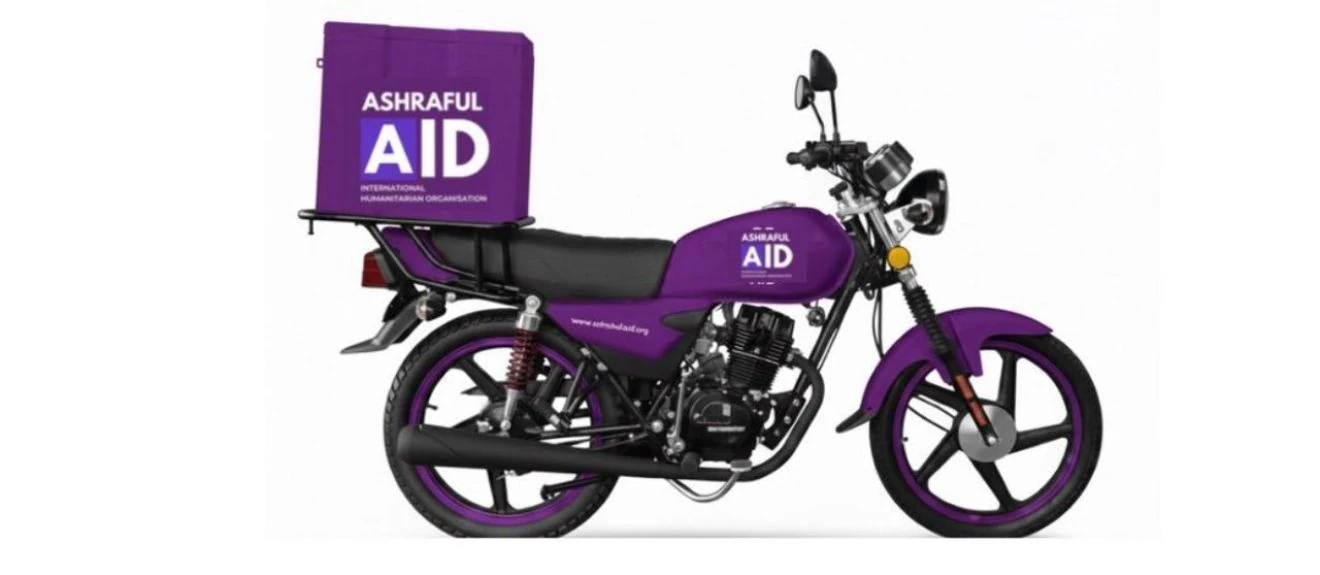
Transport livelihoods

Transport livelihoods

Delivery mobility creates earning capacity where formal finance is often out of reach.

08 | Partnership opportunity

Help the next cycle reach more entrepreneurs.

Continued donor capital strengthens a model that already has a repaying core, national reach and clear operational discipline. The next chapter is about deeper stewardship, cleaner data and responsible expansion into underserved communities.

Grow the revolving poolIncrease the number of interest-free loans available to vetted entrepreneurs.
Accelerate repaymentsSupport reminders, restructuring and early-warning interventions.
Expand regionallyBuild capacity outside the Gauteng anchor market without weakening oversight.